
The Cost of Not Answering the Phone
By Charles Fairclough
Wed 22 Apr 2026 • 6 min read
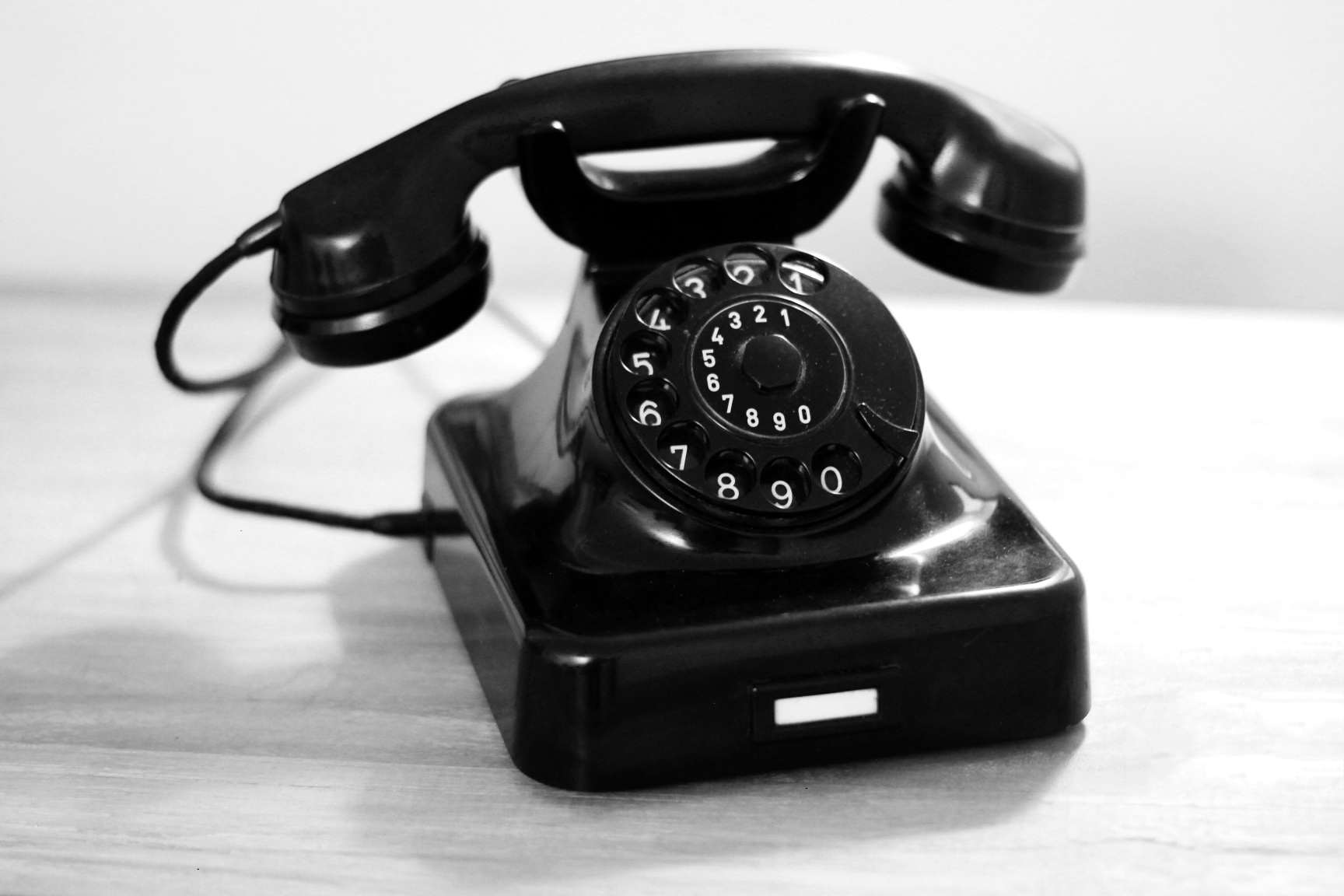
Somewhere right now, a potential customer is calling a business, getting voicemail, and calling the next one on the list. The first business will never know the call happened. It will not show up anywhere. There is no report, no alert, no missed opportunity notification. The revenue just quietly disappears.
This happens hundreds of times a day in businesses that are otherwise well run. And the reason most owners do not fix it is not that they do not care. It is that they have never seen the number.
What the research actually shows
A Harvard Business Review study tracked response times and conversion rates across 2,241 companies. Businesses that responded to an enquiry within an hour were seven times more likely to have a meaningful conversation with the prospect than those who waited 60 minutes. Those who waited 24 hours were 60 times less likely to convert the lead at all.
MIT and InsideSales.com went further. Across more than 100,000 inbound enquiries, they found that waiting longer than five minutes to respond makes you 21 times less likely to convert. Not 21 percent less likely. 21 times.
The reason is not complicated. When someone picks up the phone or fills in a form, they are in a moment of intent. They have a problem and they are actively trying to solve it. That window closes fast. Within minutes they have moved on, called someone else, or simply decided it is not urgent enough to chase.
Research from Velocify found that 35 to 50 percent of sales go to whichever business responds first. In most service industries, that is the whole game. It is not the best product, the best price, or the most impressive website. It is whoever picks up.
How much of this is actually happening
UK research from Moneypenny found that around 80 percent of calls to small and medium sized businesses go unanswered or reach voicemail. In trades, automotive, and health and beauty, the number is even higher because staff are with customers at exactly the times when call volume peaks.
Research from Marketing Sherpa and Drift found that 50 percent of leads that do get through are never followed up after the first contact. The enquiry arrives, gets missed in a busy inbox or a hectic afternoon, and is never picked up again.
So you have a situation where roughly half of inbound calls are not being answered, and half of the enquiries that do land are not being followed up. That is not a small operational gap. That is a structural problem that compounds silently every single week.
Putting a number on it
Take a busy independent garage receiving 240 calls a week. At a 20 percent miss rate, 48 calls are going unanswered. At a 35 percent conversion rate and an average job value of £115, that is 17 lost jobs a week and just under £8,000 in monthly revenue that never came through the door.
A salon receiving 360 calls a week, missing 25 percent of them, with an average booking value of £55, loses around 36 bookings a week. Over a month that is more than £8,500 in revenue that was there to be captured and simply was not.
These are not struggling businesses. These are normal, busy businesses where the team is doing their best and the phone rings at the wrong moment. There is no malice in it. But the cost is real regardless of the reason.
The after hours problem nobody talks about
A large proportion of consumer enquiries happen in the evening. People finish work, sit down, and start thinking about the things they have been putting off. The boiler that needs fixing. The dental appointment they have been avoiding. The hair appointment before a wedding.
Those enquiries land when the business is closed. If the reply comes the next morning, the moment has usually passed. They have either booked somewhere else or the urgency has faded enough that they do not bother chasing.
Businesses that respond to after hours enquiries automatically convert 25 to 40 percent more of those contacts than businesses that reply the following day. The response does not need to be from a human. It just needs to happen.
Why hiring someone does not fix it
The natural response to a call handling problem is to hire someone to handle calls. A receptionist. A customer service person. Someone whose only job is to pick up the phone.
This works until it does not. Staff have good days and hard ones. They get sick. They go on holiday. They handle twelve calls before lunch and slow down in the afternoon. The response time varies in ways that are difficult to control and almost impossible to measure.
More fundamentally, it is a fixed cost attached to a variable problem. Call volume grows as the business grows. Hiring keeps pace with growth only if you keep hiring, and each hire brings the same inconsistency problem back through the door.
McKinsey research from 2023 found that knowledge workers spend 15 to 25 hours per person per month on repetitive communications and administrative tasks. That is time that could be spent on things that actually require a human being.
What consistent response actually looks like
The businesses closing this gap are not doing it by hiring faster. They are making response automatic.
An AI system that answers every call in a natural, conversational voice. A workflow that picks up every form submission, every WhatsApp message, every Instagram DM, and sends a relevant reply within seconds. A follow up sequence that re-engages leads who did not convert the first time.
The system does not have a bad day. It does not slow down after lunch. It responds at 11pm on a Sunday with the same quality as it does at 10am on a Tuesday. Every enquiry gets a response. Every lead gets followed up. The business stops losing jobs it never knew it was losing.
The number you have never seen
The hardest part of this conversation is that the losses are invisible. There is no invoice for a missed call. There is no report showing the messages that went cold, the quotes that were never chased, the leads that called back three times and eventually gave up.
You only see what came in. Not what was there to be captured.
Most business owners, when they finally run the numbers, are genuinely surprised. Not because their business is poorly run, but because the gap between what they are capturing and what they could be capturing has been growing quietly for years without ever appearing on a dashboard.
The free AI audit exists to make that number visible. It maps your current enquiry flow, identifies where responses are slow or missing, and gives you a realistic picture of what it is costing you. Whether you do anything about it after that is entirely up to you.