
Why Dental Practices Lose More to Missed Calls Than Any Other Trade
By Charles Fairclough
Tue 18 Aug 2026 • 6 min read
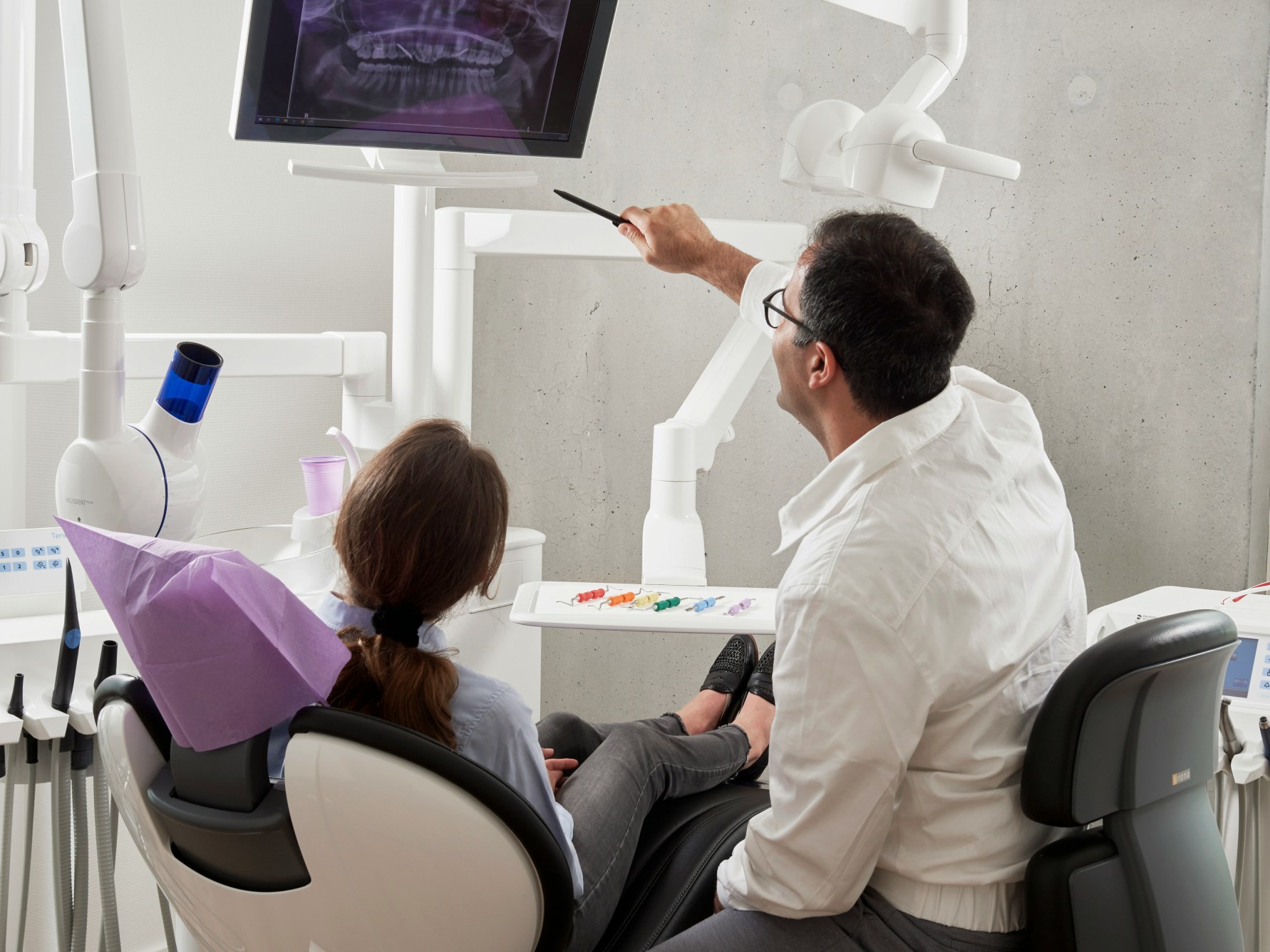
A dentist cannot answer the phone while they have a patient in the chair. Neither can a hygienist mid-scale-and-polish, or a nurse assisting with an extraction. That is obvious and unavoidable. But it also means dental practices carry a structural problem that most other trades do not: the people who would normally answer the phone are, for most of the working day, physically unable to.
A plumber between jobs can glance at their phone in the van. A hairdresser can take a call between clients. A dentist mid-treatment cannot step out to book an appointment, and neither can most of the team supporting them. That gap is where a meaningful amount of practice revenue quietly disappears.
The reception desk is doing three jobs at once
In most practices, one or two people on the front desk are handling incoming calls, greeting arriving patients, taking payments, managing recalls, and dealing with insurance or NHS admin, often simultaneously. When a patient walks in at the same moment the phone rings, the phone loses. There is no way around it. The person in front of the desk gets priority over the person on the other end of a call, every time.
This is not a failure of the team. It is a structural feature of how a reception desk works in a clinical setting. But it means call handling in a dental practice is inherently less consistent than in a business where answering the phone is someone's only job.
Why a missed call costs more in dentistry than in most trades
The value of a single new patient is higher in dentistry than in most local service businesses. A new patient is not just one appointment. It is a check-up, likely some treatment, a recall in six months, and potentially years of ongoing care, hygiene visits, and higher-value work like whitening, implants, or orthodontics down the line. Industry lifetime value figures vary practice to practice, but it is common for a single new NHS or private patient to be worth several hundred pounds a year, and considerably more over a multi-year relationship.
A missed call from an existing patient is a lost appointment slot. A missed call from a new patient enquiring is a lost patient, and potentially a lost relationship worth years of recurring treatment. The two are not the same size of loss, and the second one is the one practices tend to underestimate.
Response speed matters even more when trust is the product
People do not shop around for a dentist the way they shop for a takeaway. Choosing a dentist involves a degree of trust, particularly for anyone anxious about treatment or looking for a new practice after moving area. The research on response times across industries generally shows that responding within minutes rather than hours dramatically improves the chance of converting an enquiry into a booking. In dentistry, where the enquiry itself often comes from someone already slightly apprehensive, a fast and reassuring response matters more than in most sectors, not less. A voicemail with no callback for two days does not read as "busy practice." It reads as "maybe I should look elsewhere."
The recall system is where consistency really counts
Recalls, the six-monthly or annual reminders that bring existing patients back in, are one of the most reliable sources of repeat revenue any practice has. They are also one of the easiest things to let slip when the team is stretched. A recall list that gets worked through when someone has a spare afternoon is a recall list that gets worked through inconsistently, and inconsistency here means gaps between what a practice could be earning from its existing patient base and what it actually is.
Patients who do not hear from their dentist do not always actively decide to switch. Many simply drift, the way any customer drifts from a business that never followed up. By the time they do think about booking again, they are just as likely to search for "dentist near me" as to call the practice they saw two years ago.
No-shows compound the problem from the other direction
Missed calls lose new patients. No-shows waste the appointment slots you already booked. Dental appointments that go unfilled because a patient forgot, or because a reminder never went out, are a direct hit to a chair that could otherwise have been generating revenue that day. A short, well-timed reminder sent automatically the day before, with an easy way to confirm or rebook, addresses a large share of this without requiring anyone on the team to spend time chasing it.
NHS and private enquiries need different handling, at the same time
Mixed practices face an added layer of complexity. An NHS enquiry and a private enquiry need to be routed and answered differently, often with different availability, different pricing conversations, and different next steps. Handling that correctly over the phone requires the person answering to know current NHS capacity, private pricing, and which treatments are available under which route, in real time, while also dealing with whoever is standing at the desk. It is a lot to hold in one person's head consistently, call after call, all day.
What closing the gap actually looks like
None of this requires replacing the reception team. It requires making sure that when they cannot get to the phone, because they are with a patient, on another call, or dealing with something at the desk, the enquiry does not simply disappear into a voicemail nobody checks until the end of the day.
An AI receptionist answers every call that the front desk cannot get to, in a natural conversational voice, checks availability, and books the appointment directly into the practice's calendar. Recalls go out automatically on schedule rather than whenever someone has a free afternoon. Appointment reminders go out the day before without anyone needing to send them manually. The team still handles the patients in front of them. The phone stops being the thing that loses by default.
If you want a clear picture of what missed calls, recalls, and no-shows are actually costing your practice, book a free AI audit and we will map it out.